


While it can be hard to recognize the gift of frozen precipitation when we’re endlessly plowing it, we have plenty to be thankful for as we move towards warmer weather. Multiple weather events over the last few months have improved moisture conditions in the Northwest after years of persistent drought. While the major dairy-producing regions of Idaho are not fully recharged, the Drought Monitor shows conditions improving in the Gem State.

As we gradually transition away from a third straight year of La Nina, a highly unusual occurrence, we have above normal snow water equivalents in almost all Idaho basins. The USDA National Water and Climate Center reports Idaho basins at 100% levels in the Panhandle and Clearwater and 117% to 163% from the Southwest to the Southeast. The current water levels of the major irrigation reservoirs in the state have improved over the last 12 months as well. This is welcome news for everyone involved in agriculture.
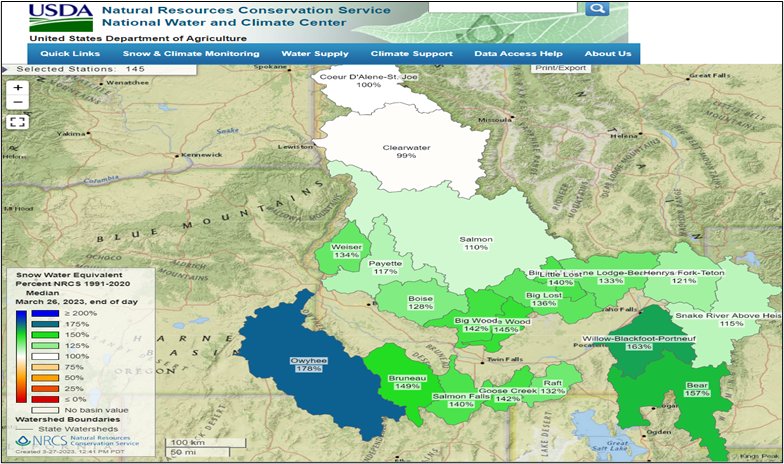
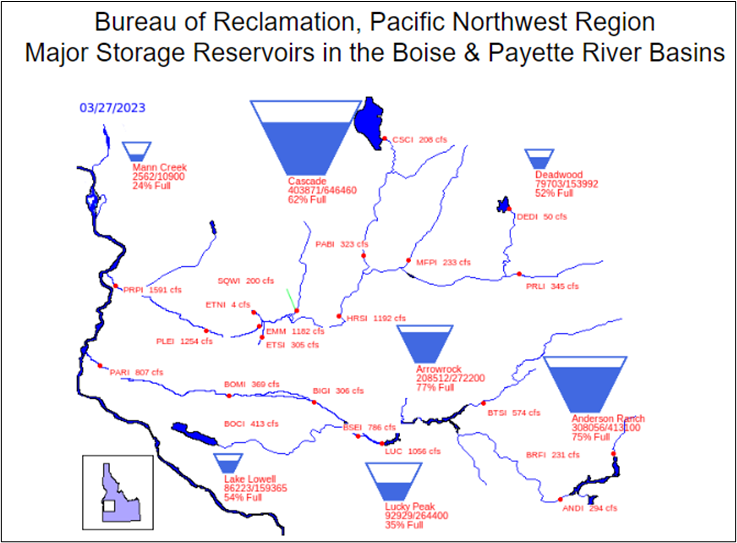
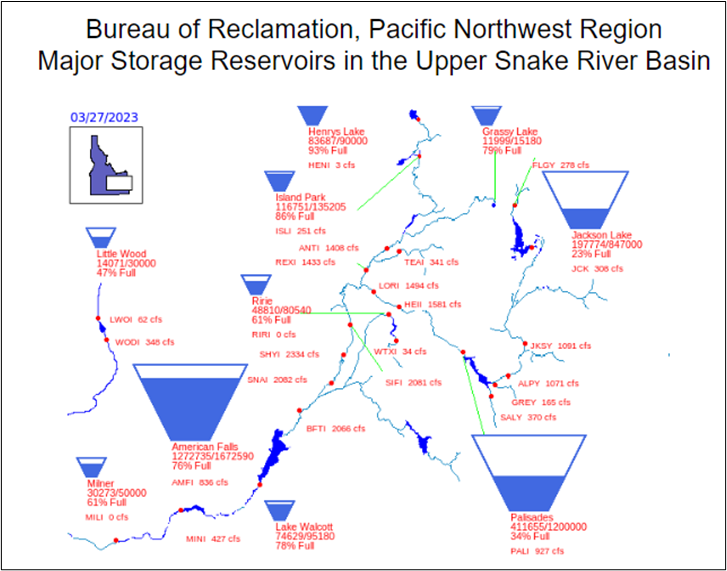
While these current levels are good news, the best news may be from the International Research Institute for Climate and Society at Columbia University. Its recently released long-range precipitation probability forecast for North America is extremely positive for May through July 2023. We have been avid followers of this forecast for years and have never seen a growing season forecast look this positive, with normal precipitation forecasted across the continental United States.
Weather forecasts are just that, forecasts. However, this one has a solid track record. This probability model is an aggregate of multiple top weather models and has been one of the most accurate models we follow at Marsh McLennan Agency. The model accurately predicted both the 2022 growing season drought and the 2021 drought in the Western U.S. This model and others helped us educate our grower partners, so they could make informed decisions around picking intervals for their Pasture Rangeland and Forage policies in 2021 and 2022.


If the International Research Institute for Climate and Society is even half right for this upcoming growing season, our country will likely over-produce major row crops. In a normal world that would likely lead to falling grain prices; however, there are not many signs of things normalizing soon. China has been buying U.S. corn, but exports lag behind last year by a decent margin. There are many unknowns including what happens between Russia and Ukraine as the war continues. The Black Sea Grain Initiative has so far allowed safe passage of grain exports from both countries, but it’s not known if it will be extended.
We are excited to share an optimistic outlook for the upcoming growing season and hope it comes to fruition, positively impacting feed crops and helping reduce input costs for your milk production.
Tyson Baker is a risk manager and insurance broker at Marsh McLennan Agency, working with dairies across the Northwest.
Copyright © 2026 Marsh & McLennan Agency LLC., All Rights Reserved.